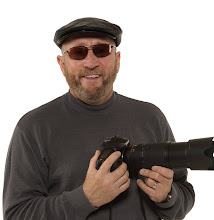
Almost everyone has a camera on their phone. The proliferation of photographs has exploded. Most are digital and last till the crash of the computer or phone where they reside. Many wind up on Facebook or some similar social media. So what restrictions are afoot?
Texas and several other states are considering the restriction of photography of folks in the public venue, with out the consent of anyone identifiable in the photograph. Sooo, you take a picture of your family on vacation, you would need a release from each of the family members, and any identifiable ancillary person in the picture, even in the back ground. IF you have verbal permission how do you document it? It would ultimately need written verification. That you would need to keep on file. (maybe video permission).
So you are at a wedding taking pictures and you need a permit from every wedding attendee, or you are at your kid's ball game you would have to be extremely careful to keep the other participants out of the picture. OR have permissions for each person in the picture. Or your kids and their friends are having fun and they take a selfie, that too would require permission from each participant or each participant's guardian. So where will it stop.
Do you recall video/pictures of the police being overly aggressive and the impact some of those pictures have had. Consider that the police would have to give you permission to take that picture. Scary in that suddenly the government can effectively restrict photography to the point of impossibility. This wold effectively pass a great deal of power to the government, keeping their public activity private...This i find disturbing.
This is centered around the idea of privacy. That we somehow have a right to privacy. We do have a right to prevent random search and seizure, (unless you are at an alcohol check point) but not privacy. That is to say what you do in the public places is simply that it is public. While it may sound popular to restrict that venue, the consequences are not what anybody would be comfortable to live with. It is time to step up and pay attention. This stuff is getting serious.
Jack
Texas and several other states are considering the restriction of photography of folks in the public venue, with out the consent of anyone identifiable in the photograph. Sooo, you take a picture of your family on vacation, you would need a release from each of the family members, and any identifiable ancillary person in the picture, even in the back ground. IF you have verbal permission how do you document it? It would ultimately need written verification. That you would need to keep on file. (maybe video permission).
So you are at a wedding taking pictures and you need a permit from every wedding attendee, or you are at your kid's ball game you would have to be extremely careful to keep the other participants out of the picture. OR have permissions for each person in the picture. Or your kids and their friends are having fun and they take a selfie, that too would require permission from each participant or each participant's guardian. So where will it stop.
Do you recall video/pictures of the police being overly aggressive and the impact some of those pictures have had. Consider that the police would have to give you permission to take that picture. Scary in that suddenly the government can effectively restrict photography to the point of impossibility. This wold effectively pass a great deal of power to the government, keeping their public activity private...This i find disturbing.
This is centered around the idea of privacy. That we somehow have a right to privacy. We do have a right to prevent random search and seizure, (unless you are at an alcohol check point) but not privacy. That is to say what you do in the public places is simply that it is public. While it may sound popular to restrict that venue, the consequences are not what anybody would be comfortable to live with. It is time to step up and pay attention. This stuff is getting serious.
Jack


 Posts
Posts